Blog
Improve your Service Delivery
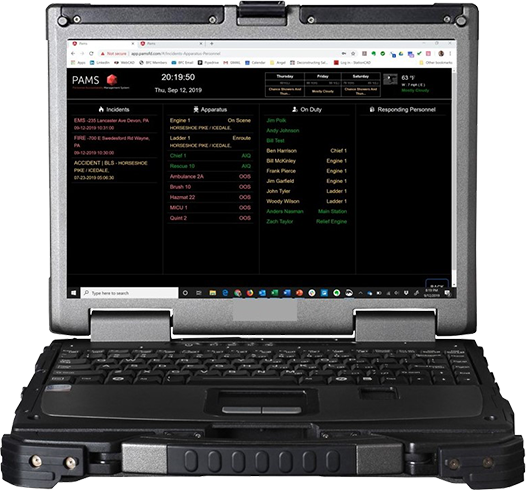
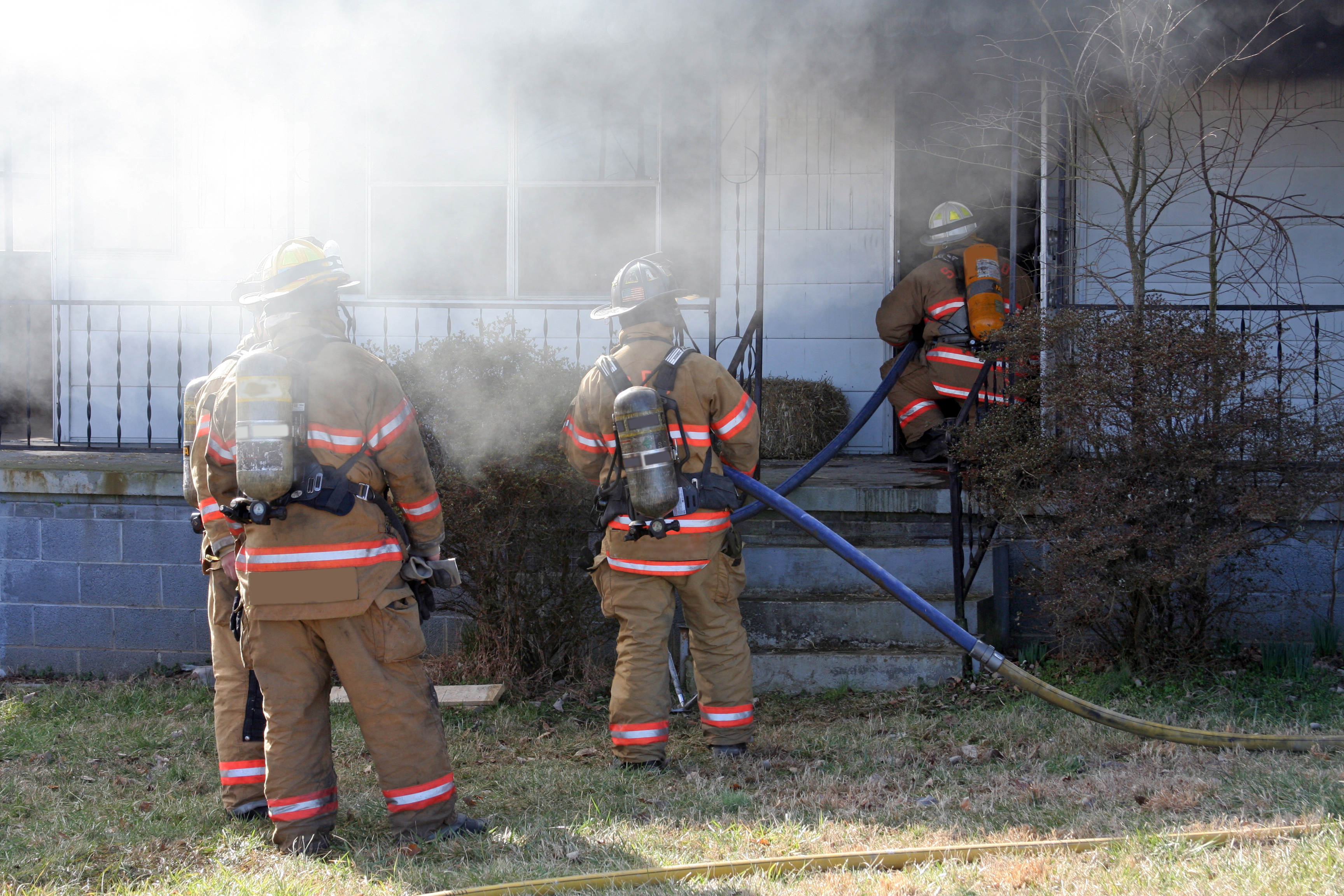
Do you want to improve the effectiveness of the fire responses you deliver to your community? Hopefully, the answer is yes. For fire departments that utilize volunteer or on-call responders for emergency response, assuring an adequate personnel response to every call-out can be a significant service delivery challenge. Without having dedicated personnel assigned to respond, we must continuously guarantee that sufficient resources are available (at a moment's notice) and responding when called. A real-time personnel dashboard must be in place to quickly assess every response.
Many departments continue to alert and respond to emergency calls today the same way they have for decades. The days of toning out for a fire or EMS response and crossing your fingers that some/enough responders turn out for the emergency should be ancient history for most communities in the U.S. This "call and hope" method is outdated and insufficient.
If your department cannot determine whether you have mobilized an effective response force immediately after dispatch, on every run, then you have failed in your duty to provide adequate and effective service. The mobilization does not necessarily have to be responding apparatus, but at a minimum, you should know that the personnel are mobilized and heading towards the apparatus to make a response.
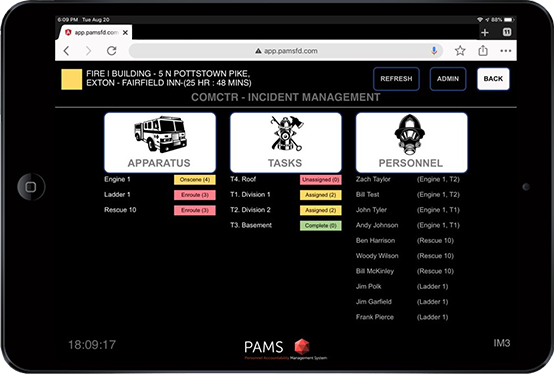
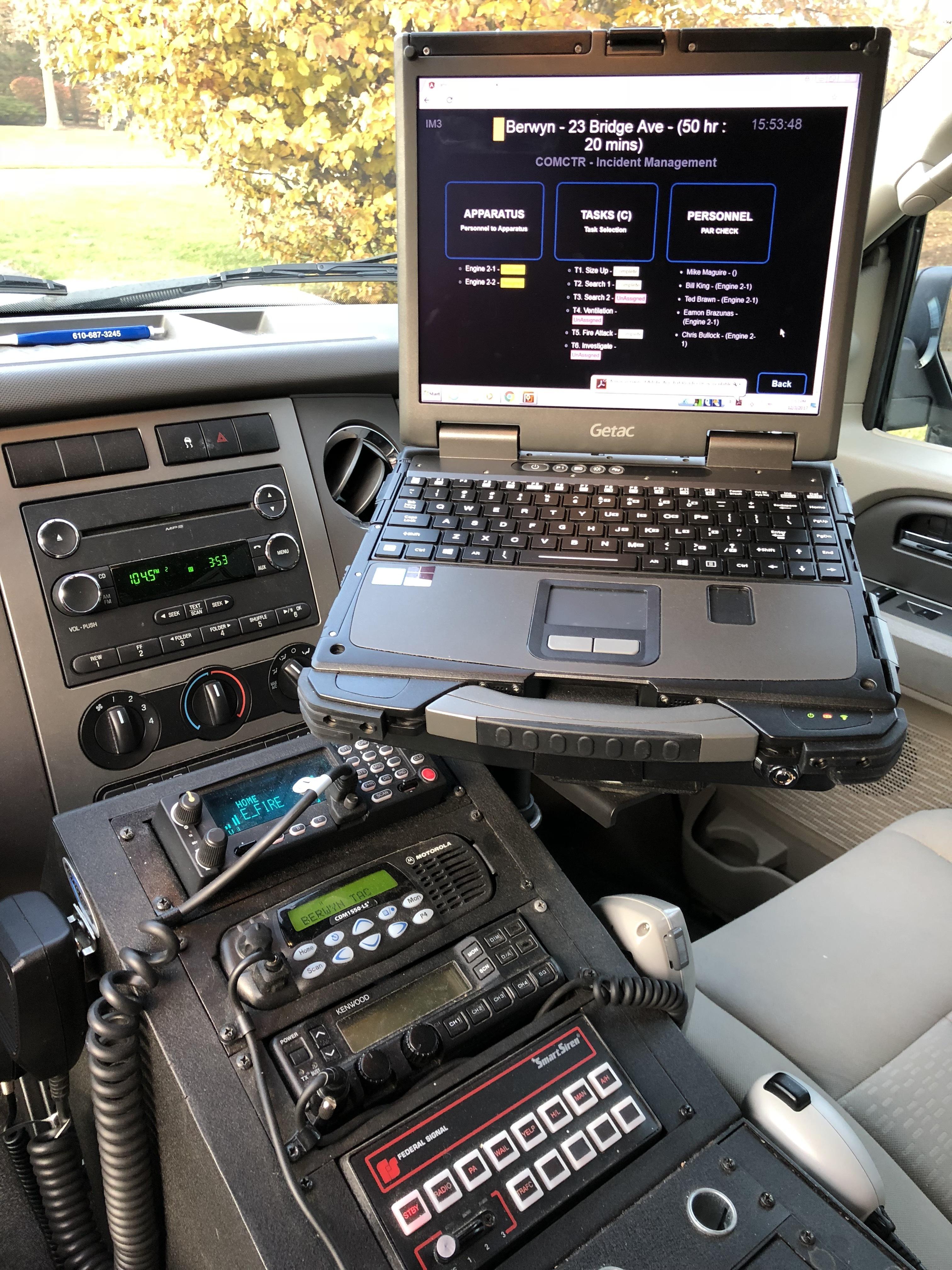
There are many mobile app solutions on the market to alert and manage responders that departments can quickly deploy. Some are good at giving a partial view of available and responding resources, and some are capable of an end-to-end workflow that encompasses the entire incident lifecycle. For an alerting and response system to be useful, all responders should be able to see all other responder's destination and ETA in real-time. Many departments have this type of solution in use today. But for a solution to be fully effective, departments will also need to be able to determine which personnel are on-station and which are responding in the apparatus.
Having a precise, real-time, responder picture moments after dispatch will enable the entire department to assess if the responding resources are adequate and adjust as necessary. The same real-time information can also allow data-driven response decisions by all personnel, ensuring that the responders go where they are most needed to optimize their deployment.
Deploying and using a solution that shares availability, responses, destinations, arrival times of all responders is essential for any agency that relies in part upon volunteer or offsite staffing. Once in place, departments can make data-driven operational decisions to respond and mitigate fire and medical emergencies in their community.
Let us show you how to improve your service delivery with an end-to-end personnel accountability solution.
Click here to request more information